Biochemistry Lab
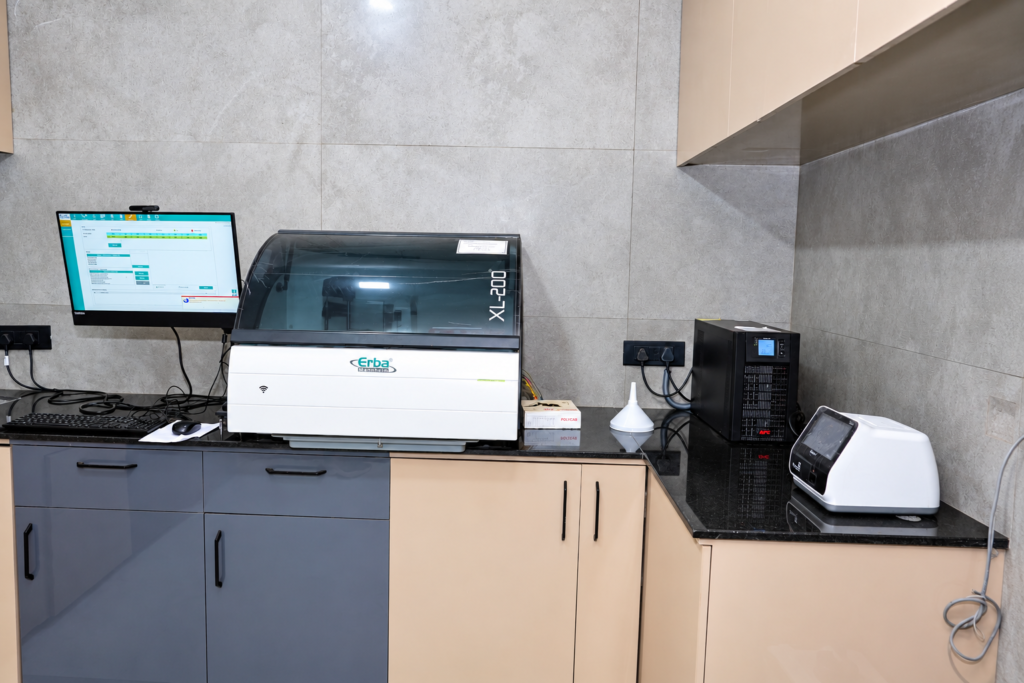
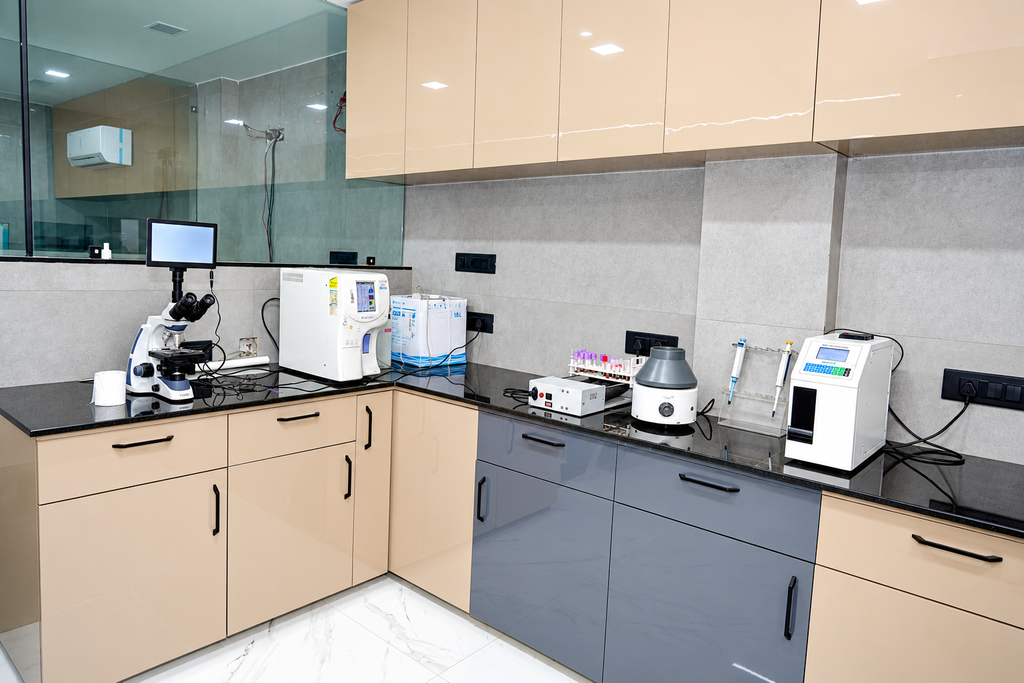
Biochemistry & Diagnostic Laboratory – Practical Training for Diploma Students
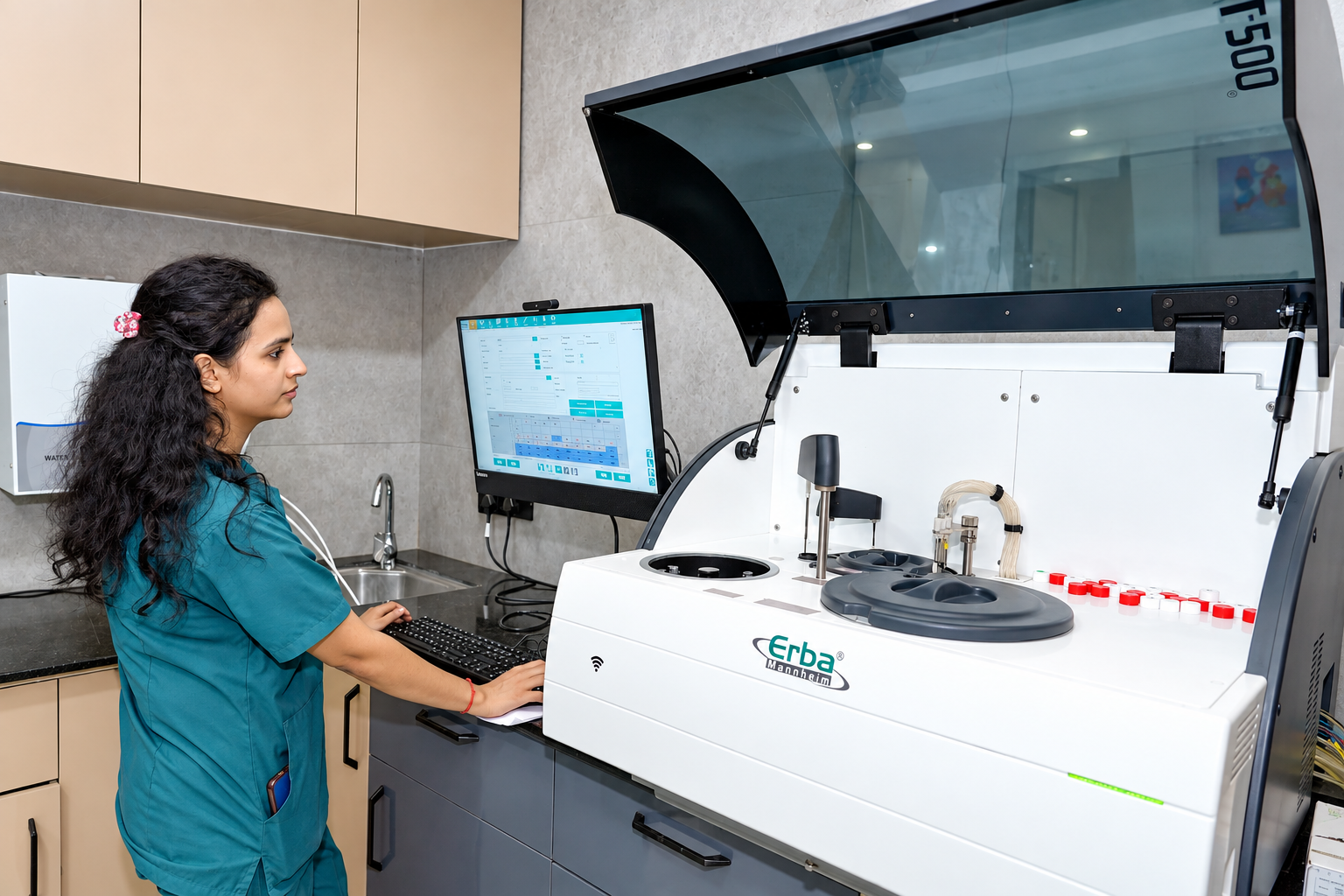
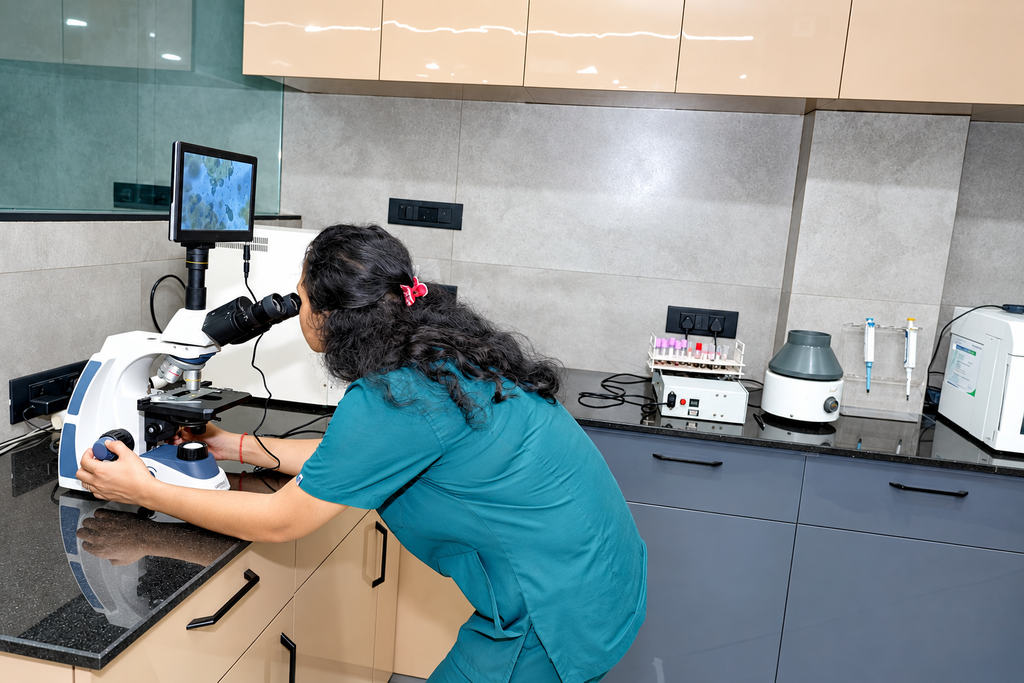
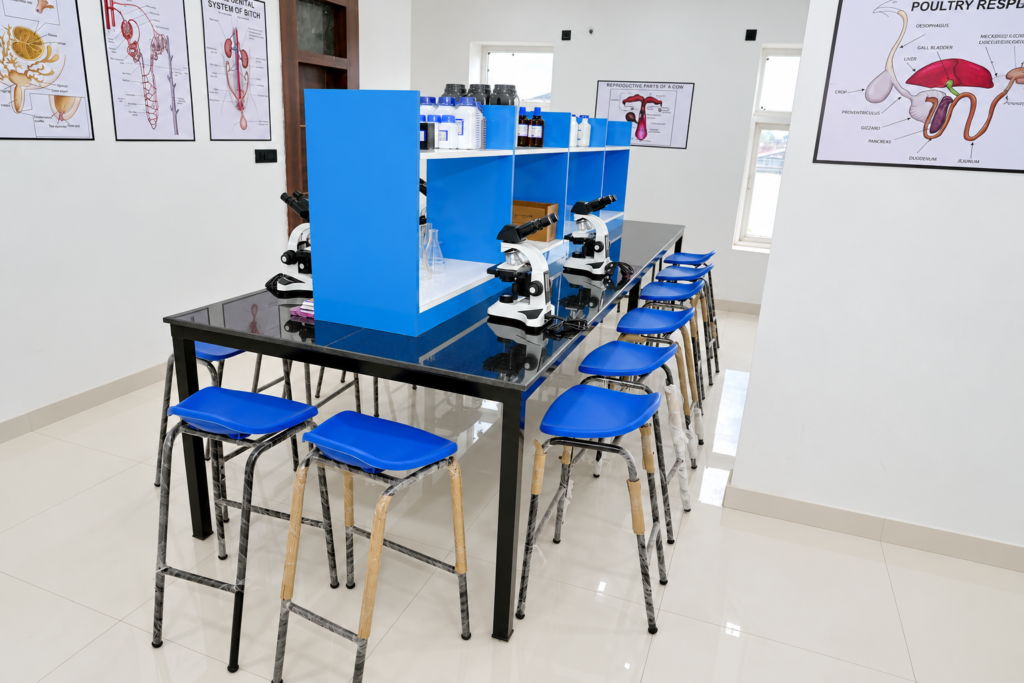
The Biochemistry & Diagnostic Laboratory at KPC Institute of Paraveterinary & Animal Sciences provides hands-on practical training to students enrolled in the Diploma in Veterinary Pharmacy and Diploma in Livestock Extension programmes. The laboratory is designed to develop essential skills in sample collection, preparation, basic laboratory testing, microscopy, interpretation of findings, and preparation of commonly used veterinary formulations.
Students receive supervised practical training in the following areas:
- Semen Evaluation: Assessment of semen quality including colour and appearance, volume, motility, sperm concentration, morphology and identification of abnormal spermatozoa.
- Faecal Examination: Practical demonstration of faecal sample collection and examination for parasitic eggs, oocysts and other gastrointestinal parasites using appropriate microscopic techniques.
- Skin Scraping Examination: Collection and microscopic examination of skin scrapings for the detection of mites and other ectoparasitic conditions, along with basic identification of dermatological parasites.
- Urine Routine Examination & Microscopy: Training in physical examination of urine, basic chemical testing and microscopic examination for cells, crystals, casts, microorganisms and other urinary sediments.
- Ruminal Fluid Examination: Collection and examination of ruminal fluid, including ruminal pH estimation and practical interpretation of findings relevant to conditions such as ruminal acidosis.
- Preparation of Veterinary Ointments: Students are trained in the basic principles of ointment preparation, including weighing, mixing, incorporation of active ingredients and appropriate packaging and labelling.
- Preparation of Iodine Solution: Practical training in the preparation, dilution, labelling, storage and safe handling of iodine-based solutions used for veterinary and laboratory purposes.
- Basic Laboratory Techniques: Students are introduced to proper sample handling, use of glassware, weighing, dilution, pipetting, microscope operation, cleaning and maintenance of laboratory equipment, and laboratory safety procedures.
The laboratory-based training enables students to connect theoretical knowledge with practical veterinary applications, helping them develop the technical competence required for their future roles in veterinary hospitals, diagnostic laboratories, livestock farms and veterinary pharmaceutical services.